





 اختر منطقتك

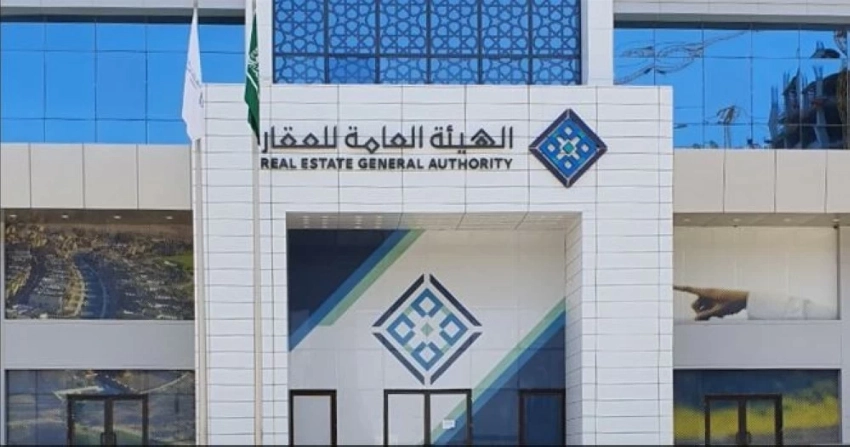
فيما أحالت الهيئة العامة للعقار أخيراً، مطوري 14 مشروعاً عقارياً إلى النيابة العامة بعد رصد مخالفات شملت مزاولة نشاط البيع على الخارطة واستلام مبالغ من المستفيدين دون الحصول على التراخيص النظامية المعتمدة، في عدد من مدن المملكة.. كشفت المحامية تغريد حدادي لـ«عكاظ»، أن نظام بيع وتأجير مشروعات عقارية على الخارطة يُعد أحد أهم الأطر النظامية في السعودية لحماية المشترين والمستأجرين من المخاطر المرتبطة بتأخر التسليم أو تعثر التنفيذ أو الاحتيال في المشاريع العقارية، مؤكدة أن المنظّم تبنى نهجاً صارماً يوازن بين تشجيع الاستثمار وحماية المتعاملين في السوق.
وبيّنت المحامية تغريد، أنه في الحالات الجسيمة، نصّت المادة (24) من النظام على عقوبات تصل إلى السجن لمدة خمس سنوات أو غرامة تصل إلى عشرة ملايين ريال أو بهما معاً، بحق كل من يزاول نشاط البيع على الخارطة دون ترخيص، أو يقدم بيانات غير صحيحة للحصول عليه، أو يعلن عن مشاريع وهمية، أو يختلس أموال المشترين، أو لا يودع المبالغ في حساب الضمان، أو يزوّر في تقارير المحاسبة أو الاستشارات الفنية.
وأضافت، أن النظام عالج في المادة (23) المخالفات التشغيلية الأقل جسامة عبر جدول تصنيف المخالفات والعقوبات، ومن أبرزها: تأخر المطور عن مباشرة الأعمال الإنشائية بعد ستة أشهر من الترخيص، أو تأخره أو تعثره في إنجاز المشروع وتسليمه، وتبدأ العقوبة بالإنذار، ثم غرامة تصل إلى 2% من قيمة المشروع وبما لا يتجاوز 500,000 ريال، وقد تصل إلى شطب المطور من سجل القيد.

وأوضحت المحامية تغريد حدادي، أنه من معايير التأخير والتعثر، يُعد المطور متأخراً إذا لم ينجز المشروع في مدته النظامية، ومتعثراً إذا تجاوز مدة التمديد أو توقفت الأعمال لأكثر من 180 يوماً دون مبرر مقبول. وأشارت إلى أن المادة (35) من النظام ذاته، ألزمت المطور بدفع تعويض مالي للمشتري أو المستأجر عند التأخير في التسليم، لا يقل عن 2% سنوياً من قيمة الأرض المطورة، أو أجرة المثل للوحدة العقارية وفق تقييم معتمد، ويُعد الامتناع عن دفعه مخالفة يعاقب عليها بغرامات تصاعدية قد تصل إلى 6% من قيمة الوحدة وبما لا يتجاوز 300,000 ريال. واختتمت حدادي، بالتأكيد على أن النظام ولائحته التنفيذية رسخ حماية المستفيدين كأولوية جوهرية في تنظيم مشاريع البيع والتأجير على الخارطة في السعودية.
لا تهاون في رصد المخالفات
«هيئة العقار»، شددت ألا تهاون في رصد الممارسات والإعلانات العقارية المخالفة التي من شأنها الإخلال بالأنظمة والتشريعات العقارية، أو المساس بموثوقية السوق العقارية أو حقوق المتعاملين فيها، وأنها ستتخذ كافة الإجراءات النظامية الرادعة بحق كل مخالف بالتكامل مع الجهات ذات العلاقة.
ودعت المطورين العقاريين إلى الالتزام التام بالأنظمة واللوائح المنظمة لنشاط بيع وتأجير مشروعات عقارية على الخارطة، والحصول على التراخيص النظامية قبل الإعلان أو التسويق أو البيع واستلام الأموال، حاثة المتعاملين والمستثمرين على التحقق من نظامية تراخيص المشروعات العقارية عبر القنوات الرسمية المعتمدة قبل الشروع في أي عملية شراء أو تحويل الأموال، والإبلاغ عن أي مخالفات، تؤثر في السوق العقارية وموثوقيتها.
Recently, the General Authority for Real Estate referred developers of 14 real estate projects to the Public Prosecution after monitoring violations that included practicing off-plan sales and receiving amounts from beneficiaries without obtaining the approved legal licenses, in several cities across the Kingdom. Lawyer Taghreed Haddadi revealed to “Okaz” that the off-plan sales and leasing system is one of the most important regulatory frameworks in Saudi Arabia to protect buyers and tenants from risks associated with delays in delivery, project execution failures, or fraud in real estate projects. She confirmed that the regulator has adopted a strict approach that balances encouraging investment and protecting market participants.

Lawyer Taghreed explained that in severe cases, Article (24) of the system stipulates penalties of up to five years in prison or fines of up to ten million riyals, or both, for anyone who practices off-plan sales without a license, provides incorrect information to obtain it, advertises fictitious projects, embezzles buyers’ funds, fails to deposit amounts in the escrow account, or forges accounting reports or technical consultations.
She added that the system addressed less severe operational violations in Article (23) through a classification table of violations and penalties, with the most notable being: the developer’s delay in commencing construction work six months after licensing, or their delay or failure in completing and delivering the project. The penalty starts with a warning, followed by a fine of up to 2% of the project value, not exceeding 500,000 riyals, and may lead to the developer being removed from the registration record.
Lawyer Taghreed Haddadi clarified that among the criteria for delays and failures, a developer is considered delayed if they do not complete the project within the legal timeframe, and they are considered to have failed if they exceed the extension period or if work has stopped for more than 180 days without an acceptable justification. She pointed out that Article (35) of the same system obligates the developer to pay financial compensation to the buyer or tenant in case of delivery delays, not less than 2% annually of the value of the developed land, or the equivalent rent for the real estate unit according to an approved valuation. Refusal to pay this compensation is considered a violation punishable by escalating fines that may reach 6% of the unit’s value, not exceeding 300,000 riyals. Haddadi concluded by emphasizing that the system and its executive regulations have established the protection of beneficiaries as a core priority in organizing off-plan sales and leasing projects in Saudi Arabia.
No leniency in monitoring violations
The “Real Estate Authority” emphasized that there would be no leniency in monitoring practices and real estate advertisements that violate regulations and legislation, or that affect the reliability of the real estate market or the rights of its participants, and that it will take all necessary legal actions against any violator in coordination with relevant authorities.
It called on real estate developers to fully comply with the regulations and rules governing off-plan sales and leasing activities, to obtain the necessary legal licenses before advertising, marketing, selling, or receiving funds, urging participants and investors to verify the legality of real estate project licenses through approved official channels before engaging in any purchase or money transfer, and to report any violations that affect the real estate market and its reliability.